Stearic Acid: A Deep Dive into Pricing and Market Trends
Stearic Acid: A Deep Dive into Pricing and Market Trends
Blog Article
A current landscape for this compound pricing and trade movements reveals a intricate interplay of elements. Internationally, costs have been undergoing fluctuations due to shifting distribution networks and increasing component expenses. Particularly, plant oil and animal products, key inputs in stearic acid production, have seen significant value jumps. Therefore, producers are confronting strain to maintain attractive pricing while managing increasing output prices. Looking ahead, industry forecasts points to that stability in this compound pricing continues uncertain, contingent on international affairs, agricultural yields, and overall economic circumstances.
Key Vegetable Acids Manufacturers Reshaping the Global Industry
Several significant firms are driving the international stearic fatty acid industry . Including these, players like IOI Oleo hold substantial percentages of the output. Other manufacturers include Emery , each adding to the ongoing evolution of fatty acids purposes. Moreover, the increasing demand from different sectors , like personal care , food products , and lubricants , is also stimulating development and capital within this critical segment of the oleochemical market .
- Wilmar International - Specializing in responsible approaches.
- Associated - Expanding production to satisfy needs .
Key Stearic Acid Manufacturers: Profiles and Production Capacities
Several leading firms currently dominate the worldwide stearic acid market . Among these, Oleon NV possesses a substantial production output , estimated at approximately 100,000 tonnes per year . Similarly, Kao Corporation boasts a expansive production range, suggested to be near 80,000 tons annually. Wilmar International runs with a impressive capacity, considered to be in the vicinity of 70,000 metric tons . Lastly, Emery Oleochemicals demonstrates a strong production grade , with a number approximately 60,000 tonnes each year. These included manufacturers symbolize a significant portion of the total stearic acid source landscape.
Finding Reliable Stearic Acid Distributors: A Comprehensive Guide
Securing a consistent supply of stearic compound requires diligent research when selecting qualified distributors. Commence by investigating online platforms specializing in chemical materials; these can often showcase a extensive range of providers. Moreover , confirming their credentials , including ISO standards , is vitally necessary . Avoid neglecting to request quantities and evaluate rates from various sources before making a agreement . Lastly , reviewing customer testimonials and speaking with existing customers can give insightful perspective regarding the supplier's performance .
Understanding Stearic Acid Cost Drivers: Factors Affecting Price
The cost of stearin is influenced by a number stearic acid manufacturers of intricate elements . Source expenses , particularly palm oil and tallow , represent a major influence, with variations in international commodity markets directly influencing the overall item valuation. Production techniques also play a role , as advancements in production can decrease expenses . Transportation costs , such as delivery and handling , add to the final expense . Finally, supply and demand – based on cyclical patterns and geopolitical occurrences – considerably influence the market price of stearin .
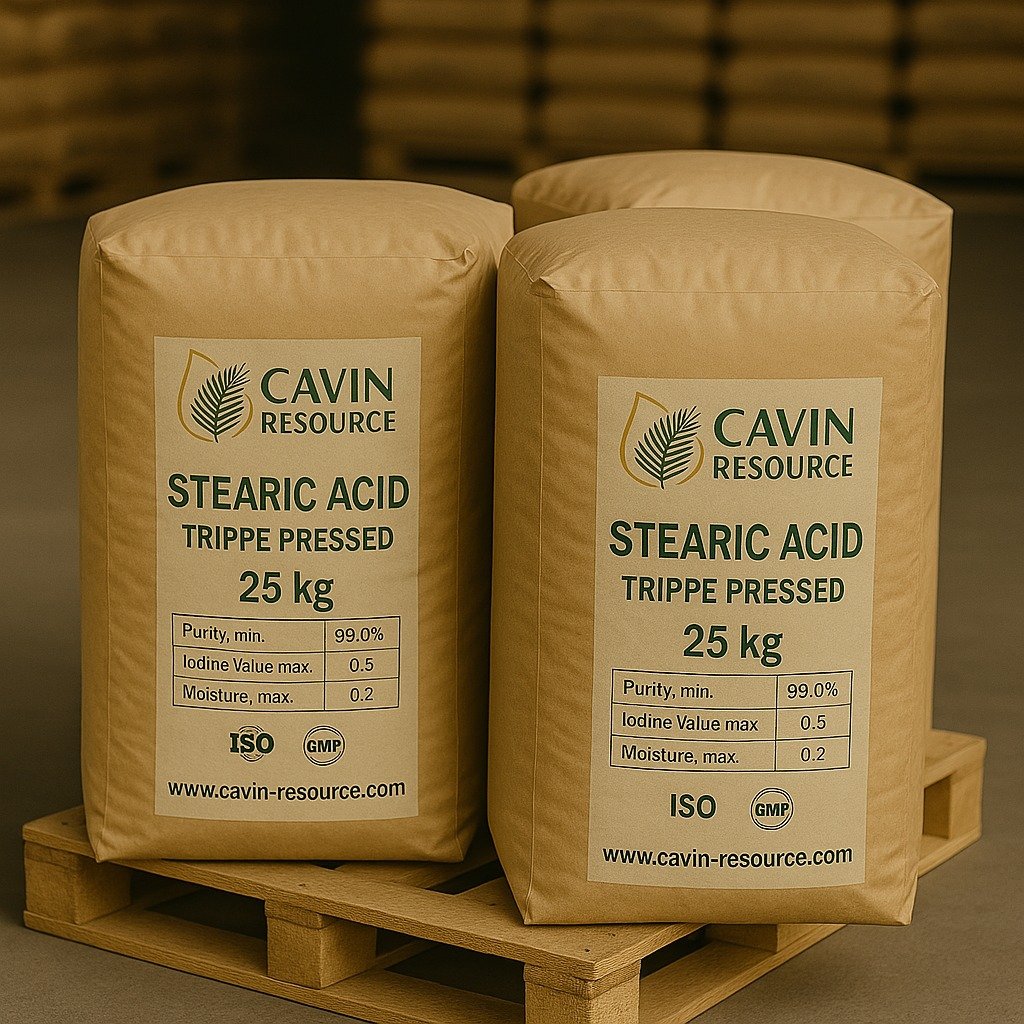
Stearic Acid Supply Chain: Producers, Distributors, and Market Dynamics
The global stearic chemical supply network involves a sophisticated interplay of producers, resellers, and fluctuating market trends. Major manufacturing regions include Asia, Western nations, and the continent, with leading firms often integrating production with downstream sectors like plastics. Sales typically occurs through a tiered system, comprising large international supply companies and local specialized businesses. Market values are impacted by variables such as animal oil supply, global economic situations, and modifications in buyer requirements.
Report this page